
Comprehensive Adrenal Testing and Stress Support

Get answers for fatigue, burnout, sleep issues, and stress-related symptoms
If you feel exhausted, wired but tired, overwhelmed by stress, or dependent on caffeine to get through the day, your adrenal stress response may be part of the picture.
Your adrenal glands help regulate cortisol, DHEA, blood sugar, inflammation, energy, and your body’s response to stress. When this system is under strain, symptoms can show up as fatigue, anxiety, poor sleep, brain fog, cravings, hormone changes, or weight shifts.
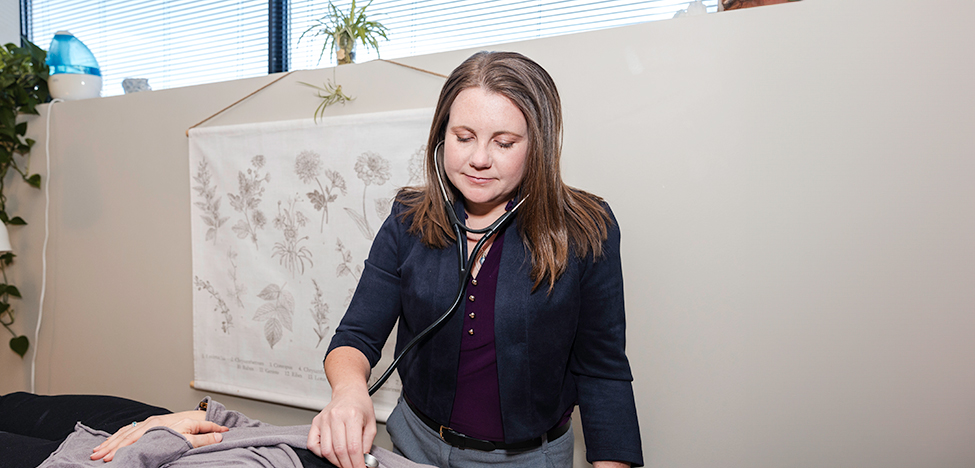
At Ponderosa Natural Medicine in Wheat Ridge, Colorado, we use adrenal and cortisol testing alongside a detailed health history to better understand what may be contributing to your symptoms. Your care plan may include nutrition, lifestyle support, targeted supplements, herbal medicine, sleep support, and additional lab testing when appropriate
Adrenal Care That Looks Deeper
Many people are told their symptoms are “just stress” or that their labs look normal, even when they still feel depleted, anxious, foggy, or unable to recover. We look beyond surface-level symptoms to evaluate the factors that may be affecting your stress response.
We may evaluate:
- Cortisol rhythm and stress hormone patterns
- Morning fatigue or afternoon crashes
- Feeling wired but tired at night
- Sleep disruption or waking between 2–4 a.m.
- Anxiety, irritability, or overwhelm
- Brain fog and poor focus
- Caffeine dependence or sugar cravings
- Blood sugar instability
- Poor exercise recovery
- PMS, perimenopause, or menopause symptoms
- Thyroid function and nutrient status

What Are the Adrenal Glands?
The adrenal glands sit above the kidneys and produce hormones such as cortisol and DHEA. These hormones help regulate energy, inflammation, blood sugar, blood pressure, and your ability to respond to stress.
Cortisol typically rises in the morning to help you wake up and gradually declines throughout the day. When this rhythm is disrupted, you may feel tired in the morning, sluggish in the afternoon, anxious during the day, or wide awake at night.
Common adrenal and cortisol patterns may include:
- Low morning cortisol
- Elevated evening cortisol
- Flattened cortisol rhythm
- Low or high DHEA
- Blood sugar-related energy crashes
- Stress-related hormone or thyroid changes
While “adrenal fatigue” is a common phrase, we focus on measurable stress-response patterns and the many factors that can influence adrenal and HPA-axis function.
How Adrenal Testing Can Help
Adrenal and cortisol patterns can affect energy, sleep, mood, cravings, hormones, and stress resilience. Testing helps us better understand what may be contributing to your symptoms so your care plan can be more targeted.
More Stable Energy
If you wake up tired, rely on caffeine, or crash in the afternoon, cortisol rhythm, blood sugar, thyroid function, nutrient status, and sleep quality may all play a role.

Better Sleep
Difficulty falling asleep, waking in the night, or feeling wired at bedtime may be connected to cortisol patterns, blood sugar shifts, hormone changes, or nervous system stress.
Improved Stress Resilience
When your body feels stuck in fight-or-flight mode, everyday stress can feel harder to manage. We evaluate how your body is responding and what support may help.
Fewer Cravings and Energy Crashes
Sugar cravings, shakiness between meals, and afternoon crashes may be related to blood sugar instability or stress hormone changes.
Clearer Mood and Focus
Cortisol patterns can affect anxiety, irritability, overwhelm, and brain fog. We also consider thyroid health, nutrients, digestion, hormones, and blood sugar.
Better Hormone Insight
Chronic stress can influence PMS, cycle changes, perimenopause, menopause symptoms, libido, and reproductive hormones.
What to Expect
A personalized process to better understand your symptoms
Initial Appointment
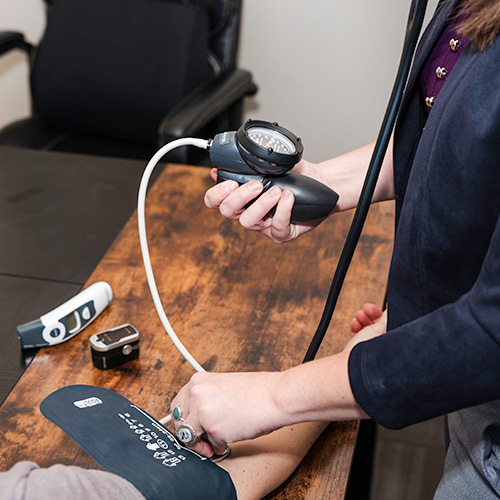
We review your symptoms, health history, stress load, sleep, energy, mood, digestion, hormones, medications, supplements, and prior lab work.
Your visit may include:
- Review of fatigue, sleep, stress, and mood symptoms
- Discussion of caffeine use, cravings, and energy crashes
- Review of cycle, PMS, perimenopause, or menopause concerns
- Physical exam when appropriate
- Initial nutrition and lifestyle recommendations
- Lab recommendations based on your history
Review of Findings
At your follow-up visit, we review your results and explain how they may relate to your symptoms.
Your care plan may include:
- Nutrition and lifestyle recommendations
- Sleep and nervous system support
- Blood sugar support
- Targeted supplements
- Herbal medicine
- Hormone, thyroid, or nutrient support when appropriate
- Referrals or imaging if needed
Follow-Up Care
Follow-up visits help monitor progress and adjust your plan over time.
We may track:
- Energy, sleep, mood, and stress tolerance
- Cravings and blood sugar patterns
- Hormone, thyroid, or digestive symptoms
- Lab changes when retesting is appropriate
Ready to Better Understand Your Stress Response?
You do not have to keep pushing through fatigue, burnout, poor sleep, or stress-related symptoms without answers. If you are ready for a more thorough evaluation, Ponderosa Natural Medicine can help you take the next step.
Frequently Asked Questions
Do you offer adrenal testing?
Yes. Depending on your symptoms, we may recommend salivary cortisol testing, DUTCH testing, blood testing, thyroid testing, nutrient testing, or blood sugar and metabolic markers.
What is DUTCH testing?
DUTCH testing is a dried urine test that can assess cortisol, cortisone, DHEA, sex hormones, and hormone metabolites. It may be helpful when stress symptoms overlap with hormone concerns.
What symptoms suggest I may need cortisol testing?
Cortisol testing may be helpful for persistent fatigue, afternoon crashes, poor sleep, anxiety, feeling wired but tired, sugar cravings, caffeine dependence, or stress-related hormone changes.
Can stress affect my hormones?
Yes. Chronic stress can influence reproductive hormones, thyroid function, blood sugar, sleep, mood, digestion, inflammation, and libido.
Do you treat adrenal fatigue?
“Adrenal fatigue” is a commonly used phrase, but we focus on measurable stress-response patterns, cortisol rhythm, DHEA, sleep, blood sugar, thyroid function, and nutrient status.
Can adrenal support help with sleep?
It may, depending on the cause. Sleep issues can be connected to cortisol rhythm, blood sugar, hormones, nervous system activation, or lifestyle factors.
What is cortisol testing?
Cortisol testing measures your body’s primary stress hormone. Some tests evaluate cortisol at one point in time, while others measure your rhythm throughout the day.
What is the first step?
Schedule a new patient appointment. If you would like to make sure the practice is the right fit first, you can also schedule a free 15-minute consultation.