
Comprehensive Digestive Health Testing and Naturopathic Gut Support
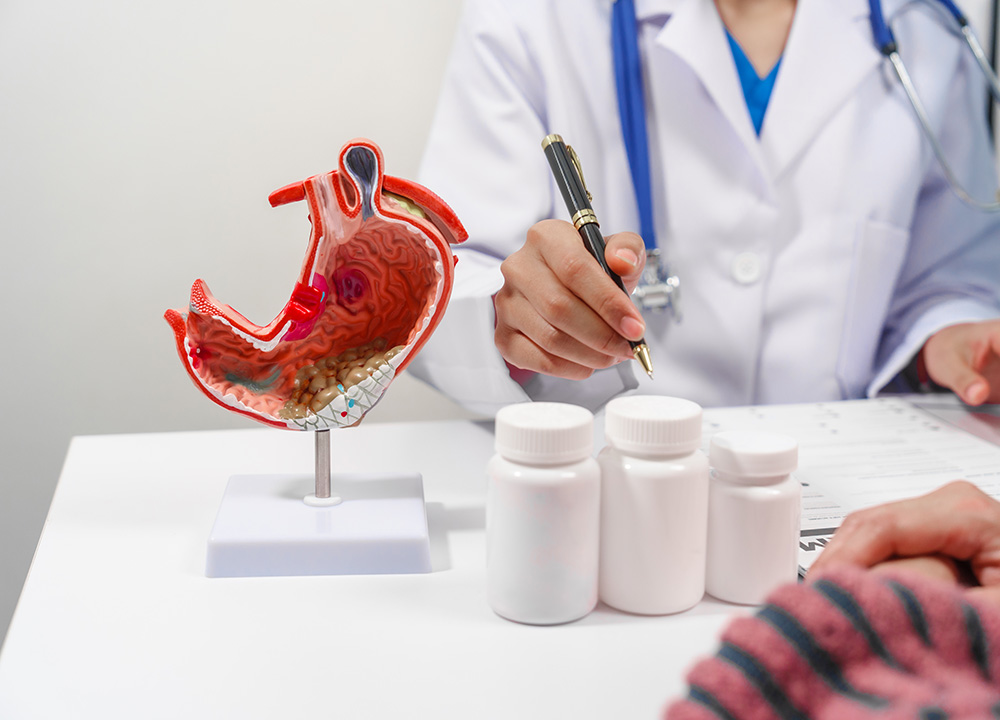
Get answers for bloating, constipation, diarrhea, reflux, food reactions, and ongoing digestive symptoms
Your digestive system affects far more than digestion. Gut health can influence energy, hormones, immune function, skin, mood, inflammation, nutrient absorption, and overall wellness.
If you are dealing with bloating, gas, constipation, diarrhea, reflux, abdominal discomfort, food sensitivities, nausea, or unpredictable digestion, digestive health testing may help identify what is contributing to your symptoms.
At Ponderosa Natural Medicine in Wheat Ridge, Colorado, we use digestive health testing alongside a detailed health history to better understand your gut function. We look at digestion, absorption, inflammation, microbiome balance, food reactions, nutrient status, stress, hormones, and lifestyle factors that may be affecting your gut.
Your care plan may include nutrition recommendations, temporary therapeutic diets, targeted supplements, herbal medicine, digestive support, microbiome support, stress and lifestyle strategies, and referrals when appropriate.
Gut symptoms are common, but they are not something you have to ignore
Many people are told their digestive symptoms are “normal,” stress-related, or something they just have to manage. Or they are diagnosed with Irritable Bowel Syndrome with no clear understanding of the underlying causes or how to treat their distressing symptoms. While stress can affect digestion, ongoing bloating, bowel changes, reflux, food reactions, or abdominal discomfort deserve a thoughtful evaluation.
Digestive symptoms can have many contributors, including food triggers, low stomach acid, enzyme insufficiency, gut inflammation, microbiome imbalance, constipation, stress, hormone shifts, nutrient deficiencies, and medication effects.
We may evaluate:
- Bloating, gas, and abdominal discomfort
- Constipation, diarrhea, or alternating bowel habits
- Reflux, heartburn, or indigestion
- Food sensitivities or food reactions
- IBS-like symptoms
- Microbiome balance
- Digestive enzyme and stomach acid patterns
- Gut inflammation markers
- Nutrient absorption
- Iron, B12, vitamin D, and mineral status
- Stress and nervous system effects on digestion
- Hormone and thyroid patterns that may affect bowel function
What to Expect
A personalized process to better understand your digestive health.Initial Appointment
We review your symptoms, bowel habits, diet, digestion, stress, sleep, medications, supplements, health history, hormone patterns, and prior lab work.
Your visit may include:
-
- Review of bloating, reflux, constipation, diarrhea, and food reactions
-
- Discussion of diet patterns, triggers, appetite, and meal timing
-
- Review of stress, sleep, thyroid, and hormone symptoms
-
- Physical exam when appropriate
-
- Initial nutrition and lifestyle recommendations
-
- Lab recommendations based on your history
Review of Findings
At your follow-up visit, we review your results and explain how they may relate to your symptoms.
Your care plan may include:
-
- Personalized nutrition recommendations
-
- Digestive enzyme or stomach acid support when appropriate
-
- Microbiome and gut lining support
-
- Herbal medicine
-
- Fiber, hydration, and motility support
-
- Nutrient repletion
-
- Thyroid, hormone, or stress support when relevant
-
- Referrals or imaging if needed
Follow-Up Care
Follow-up visits help monitor your progress and adjust your plan over time.
We may track:
-
- Bloating, reflux, and abdominal discomfort
-
- Bowel regularity and stool quality
-
- Food tolerance
-
- Energy, mood, skin, and hormone symptoms
-
- Lab changes when retesting is appropriate
How Digestive Health Testing Can Help
Digestive health testing can help identify what may be contributing to ongoing gut symptoms and how digestion may be affecting other areas of your health.

Less Guesswork With Food Reactions

Better Understanding of Bloating and Gas

Support for Regular Bowel Movements

Improved Nutrient Absorption

Clearer Gut-Skin and Gut-Hormone Insight

More Targeted Gut Support
Why Digestive Health Matters
Your gut plays a key role in energy, hormones, immunity, and nutrient absorption
Comprehensive Digestive Health Testing
Lab testing can help identify patterns behind your symptoms
Core digestive testing
Looking at triggers and nutrient status
Digestive symptoms can overlap with other systems
Symptoms That May Be Related to Digestive Imbalance
Digestive health testing may be helpful if you experience:
These symptoms can have many possible causes. Our goal is to identify what may be contributing and create a plan tailored to your body.
Ready to Better Understand What’s Driving Your Symptoms?
Frequently Asked Questions
Do you offer digestive health testing?
Yes. Depending on your symptoms, we may recommend stool testing, food sensitivity testing, SIBO breath testing, H. pylori testing, celiac screening, nutrient testing, thyroid testing, or inflammation markers.
Can digestion affect hormones?
Yes. Gut health can influence hormone metabolism, inflammation, nutrient absorption, blood sugar, and stress response — all of which may affect PMS, perimenopause, menopause symptoms, acne, and energy.
What symptoms suggest I may need gut testing?
Digestive testing may be helpful for bloating, gas, constipation, diarrhea, reflux, nausea, abdominal discomfort, food reactions, IBS-like symptoms, nutrient deficiencies, or symptoms that change with stress or diet.
Can gut issues cause nutrient deficiencies?
Yes. Digestive inflammation, poor absorption, restricted diets, low stomach acid patterns, and certain medications can affect nutrients such as iron, B12, vitamin D, magnesium, and zinc.
What is comprehensive stool testing?
Comprehensive stool testing can evaluate markers related to microbiome balance, digestion, inflammation, immune activity, and other gut health patterns. Results help guide more targeted digestive support.
Do I need to follow an elimination or restricted diet?
Not always. Elimination diets can be useful in some cases, but they are not the only option. In most cases, elimination diets are meant to be temporary to reduce inflammatory or other reactions while nutrition, herbal medicine, and other supplements help heal the underlying imbalances. We use your history and testing to create a plan that is realistic and appropriate for your needs.
Do you test for SIBO?
SIBO breath testing may be recommended when symptoms such as bloating, gas, constipation, diarrhea, or IBS-like patterns suggest possible small intestinal bacterial overgrowth.
What is the first step?
Schedule a new patient appointment. If you would like to make sure the practice is the right fit first, you can also schedule a free 15-minute consultation.