Herbs for Viral Infection: An Honest Guide to the Evidence
Sorted by the virus you are dealing with, not by whatever sits on the shelf.
Most herb lists are built backwards. They open with elderberry, work down through licorice and olive leaf, and leave you guessing which one matches what you actually have. A three-day head cold and a shingles rash are both viral. They call for completely different responses, and only one of them belongs anywhere near a self-care article. This piece sorts herbs for viral infection by virus family, since that is how symptoms turn up and how care decisions get made. You will see what human research supports, what it does not, and where herbs for viral infection stop being reasonable on your own.
This is educational content. It is not a substitute for individual medical advice.
Table of Contents
Do Herbs for Viral Infection Actually Work?
Why the Virus Family Matters More Than the Herb
Herbs for Respiratory Viruses Like Colds and Flu
The Herpes Family, From Cold Sores to Shingles
Which Herbs Have Been Studied for Herpes Simplex
Shingles Warrants Prompt Medical Assessment
Chronic Viral Infection and Long-Term Supervision
How Herbs for Viral Infection Get Prescribed in Practice
What to Read on a Label Before You Buy
FAQs About Herbs for Viral Infection
Do Herbs for Viral Infection Actually Work?
Some do, in narrow situations. A handful of herbs for viral infection have human trial data behind them, mostly for shortening the symptoms of ordinary respiratory illness rather than for clearing the virus itself. Most of the others sit on laboratory work alone. Activity in a cell culture is a starting point, not proof of a clinical effect.
That gap decides almost everything. A compound that stops viral replication in a dish has to survive your stomach, reach the tissue where the virus lives, and get there at a concentration the dish never had to worry about. Plenty never manage it.
You have probably seen a supplement label quoting an antiviral finding in very confident language. Check whether the sentence mentions people. If the study happened in a test tube, the label is describing chemistry, not a result you can expect from swallowing a capsule.
Herbal medicine still earns its place here. The honest framing is narrower and more useful than the marketing one.
Why the Virus Family Matters More Than the Herb
Rhinovirus and varicella zoster behave nothing alike. One irritates your upper airway for a week and leaves. Varicella zoster causes chickenpox in childhood, then settles into nerve roots and stays there quietly for decades, until something shifts and it resurfaces on one side of the body as shingles.
Herbs that help with the first are close to useless against the second.
Respiratory viruses are acute and self-limiting, so the sensible target is symptom duration and comfort. Herpes viruses establish lifelong latency, which moves the target to how often outbreaks happen and how hard they hit. Chronic viral conditions such as hepatitis need monitored medical management, and botanicals sit at the edge of that picture rather than at the center.
Virus family
Familiar examples
What herbal care realistically targets
Respiratory
Rhinovirus, influenza, seasonal coronaviruses
Symptom duration and comfort, started early
Herpes
Cold sores, genital herpes, chickenpox, shingles
Outbreak frequency, severity, and healing time
Chronic bloodborne
Hepatitis B, hepatitis C, HIV
Nothing at all without a prescriber and lab monitoring
Sort by family first. The herb list gets much shorter.
Herbs for Respiratory Viruses Like Colds and Flu
Elderberry carries the most human data in this group. Standardized black elderberry extract has been tested in randomized trials in influenza and in travelers who caught colds after long flights, with symptom duration as the measured outcome. It is the one plant here that a cautious clinician will name without much hedging.
Raw elderberry is a different story. Uncooked berries, leaves, and bark contain cyanogenic compounds and cause vomiting, which is exactly why commercial preparations are cooked or extracted.
Echinacea is the household name with the messiest record. Trial results have swung in both directions, and reviews of the pooled data keep landing on “inconsistent” instead of a verdict. Species and plant part vary enormously between products, so two bottles labeled echinacea can contain genuinely different medicine.
Two more appear in the clinical literature far more often than they appear in supermarkets:
Andrographis paniculata, studied for upper respiratory symptom severity
Pelargonium sidoides root extract, studied in acute bronchitis and colds
Garlic preparations, studied for cold frequency with mixed findings
Timing decides most of it. Herbs for viral infection of the upper airway are studied as early interventions, started within the first day or two of symptoms. If you are on day five of a cold, the window that research describes has already closed.
One thing none of these plants do is sort out a chest infection that has turned bacterial. Fever climbing after several days of improvement, breathlessness, chest pain, or coughing up discolored sputum all point toward an assessment rather than another dose of syrup. Herbal care and urgent care are not competing options here, and treating them as such costs people time they cannot get back.
The Herpes Family, From Cold Sores to Shingles
Eight human herpesviruses share one trait that changes everything about treatment. They never leave.
Herpes simplex 1 and 2 produce cold sores and genital lesions. Varicella zoster gives you chickenpox first and shingles later. Epstein-Barr and cytomegalovirus round out the names most people recognize.
No herb clears any of them from your body. Neither does any prescription antiviral drug. Once that lands, the goal becomes something you can actually measure, which is how often outbreaks come, how severe they get, and how quickly a lesion heals.
That reframing is useful the next time you read a bold supplement claim. A label promising to eliminate a herpes virus is describing something no treatment on earth currently does.
Which Herbs Have Been Studied for Herpes Simplex
Lemon balm leads the topical list. Melissa officinalis cream has been tested on cold sores in human trials, with healing time and lesion size as endpoints. It is one of very few herbal preparations in this family with clinical rather than laboratory support.
Licorice is the interesting one with a catch. Glycyrrhizin, the compound behind its antiviral activity in the lab, raises blood pressure and drops potassium at sustained intakes, so casual daily use is a poor idea.
St John’s wort turns up on antiviral lists and belongs on a caution list instead. It induces liver enzymes that clear a long roster of medications, including antiretrovirals, immunosuppressants, oral contraceptives, and several antidepressants. Taken alongside a prescribed antiviral, it can pull that drug below the level it needs to work.
This is the point where herbs for viral infection need a prescriber who can see your whole medication list.
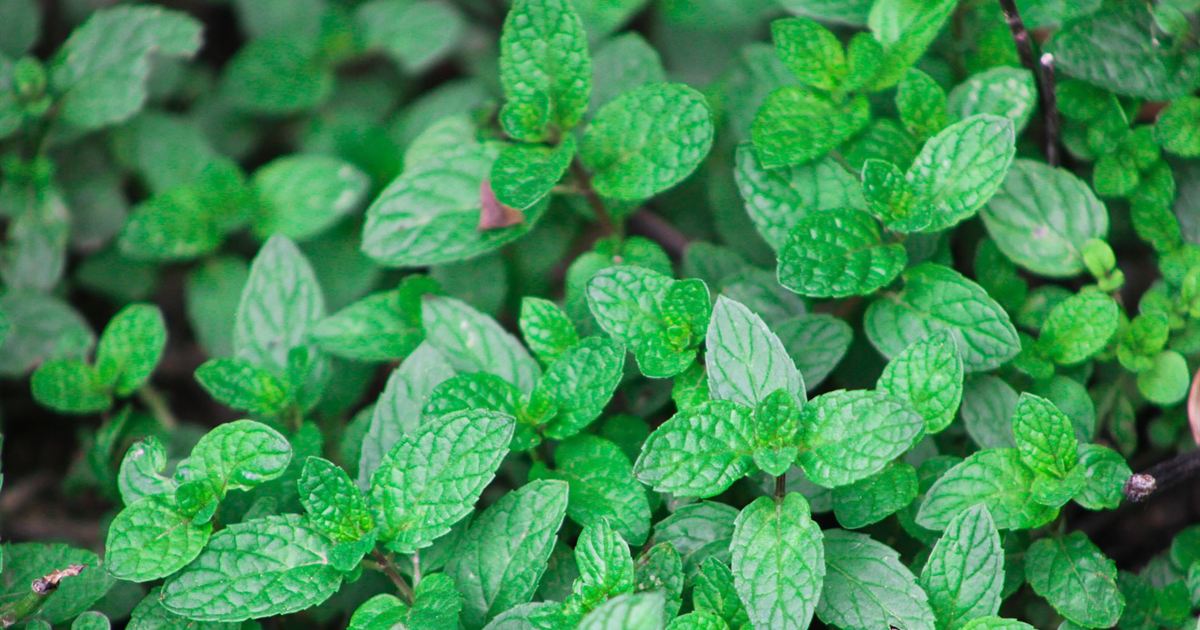
!Lemon balm and elderberry, two herbs for viral infection with human trial data
Shingles Warrants Prompt Medical Assessment
Shingles is not a self-treatment situation. If a painful, burning, one-sided rash appears in a band across your torso, face, or scalp, get assessed the same day.
Prescription antiviral medication for shingles works best when it starts within the first three days of the rash. Miss that window and the risk of postherpetic neuralgia, nerve pain that can persist long after the skin clears, climbs.
A rash near the eye is an emergency. Herpes zoster ophthalmicus can threaten sight and needs same-day ophthalmology input, whatever else you happen to be taking.
Botanicals have a supporting role at most. Nervine and anti-inflammatory herbs get used alongside conventional treatment for pain and recovery, never in place of it, and that decision belongs to a clinician who has looked at the rash.
Chronic Viral Infection and Long-Term Supervision
Hepatitis B, hepatitis C, and HIV sit in a category of their own. All three are managed with monitored drug regimens, viral load testing, and liver or immune markers tracked over time. Herbal self-treatment can interfere with every part of that, quietly, without any symptom telling you it happened.
Reactivated Epstein-Barr gets discussed constantly online, and the diagnostic picture is far messier than those conversations suggest. Antibody patterns for Epstein-Barr are hard to interpret without clinical context, and fatigue has a long differential that includes thyroid disease, anemia, unrecognized sleep apnea, iron deficiency, low B12, and depression.
Supervision is not gatekeeping. It is the only way anyone finds out whether what you are taking is helping, doing nothing, or working against a prescription you depend on.
If you have been treating a chronic viral diagnosis with supplements on your own, bring the bottles to an appointment. All of them.
How Herbs for Viral Infection Get Prescribed in Practice
A formula built for you looks nothing like a bottle pulled off a shelf.
Custom Herbal Medicine at Ponderosa Natural Medicine starts from your history, your current prescriptions, and what is actually happening in your body. Species, plant part, preparation strength, and duration all get chosen deliberately, and the whole combination gets reviewed against every drug and supplement you already take.
That review is the step people skip. Herbs for viral infection interact with anticoagulants, immunosuppressants, blood pressure medication, and hormonal contraceptives, and none of those interactions announce themselves.
Dr. Karrina Wallace, ND is a Registered Naturopathic Doctor in Colorado, regulated by the Department of Regulatory Agencies (DORA). Appointments run from the Wheat Ridge clinic and by telehealth statewide.
What to Read on a Label Before You Buy
Start with the Latin name. A bottle that says only “echinacea” is telling you the maker did not think species mattered, and the trial evidence differs by species.
Then check four things:
Plant part used, since root and aerial parts differ chemically
Extract ratio or standardized marker compound, stated as a number
Third-party testing for identity, heavy metals, and contamination
A batch number and an expiry date printed on the bottle
Price tracks quality less reliably than shoppers assume. What tracks quality is transparency about sourcing and testing, the same standard that applies to vitamin and mineral support chosen in a clinical setting.
Two sources are worth bookmarking. The National Center for Complementary and Integrative Health publishes plain-language safety summaries on most of the plants named above. The published trial literature is searchable if you would rather read the primary sources than somebody’s summary of them.
One last habit worth building. Photograph the label of anything you start, front and back, and keep the photos together in one album on your phone. Bring them to your next appointment. The name on the front of a bottle rarely tells a clinician enough to judge an interaction, and the small print on the back usually does.
FAQs About Herbs for Viral Infection
Do herbs for viral infection kill viruses?
No. Nothing in the herbal cabinet eradicates a virus from your body, and prescription antivirals for the herpes family do not do it either. What some herbs appear to do is interfere with replication or shift the immune response enough to shorten symptoms. That is a real difference from killing a virus, and it is the honest way to read any label claiming otherwise.
Which herbs for viral infection have the strongest human evidence?
Elderberry for respiratory illness and topical lemon balm for cold sores have the clearest human trial support. Andrographis paniculata and Pelargonium sidoides have respiratory data as well. Most other plants on popular antiviral lists rest on cell-culture or animal work, which points at a mechanism without confirming that anything useful happens in people.
Can I take antiviral herbs with my prescription medication?
Ask a prescriber first. St John’s wort on its own alters the metabolism of dozens of drugs, including antiretrovirals and hormonal contraceptives. Licorice affects blood pressure and potassium. Immune-stimulating plants such as astragalus and echinacea raise real questions for anyone taking immunosuppressants. A clinician who can see your full list is the only safe way to answer this one.
Do herbs help with shingles?
Not as a primary treatment. Shingles needs prompt medical assessment and prescription antiviral medication, ideally within three days of the rash appearing. Herbal support for nerve pain and recovery can sit alongside that care under supervision. A rash near your eye is a same-day emergency, and no botanical changes that.
How soon do I need to start taking something?
Early. The respiratory trials began treatment in the first day or two of symptoms, so a remedy started on day five is being asked to do something no study ever tested. For recurrent cold sores, topical treatment is studied from the first tingle rather than after a blister has formed.
Book Your Visit With Dr. Wallace
Guessing in a supplement aisle is slow and expensive. A consultation gets you a plan matched to what you actually have, checked against your medications, and adjusted as things change.
Book My Appointment at the Wheat Ridge clinic, or by telehealth anywhere in Colorado. Care is available to patients in Wheat Ridge, Denver, Aurora, Littleton, Lakewood, Arvada, Golden, Evergreen and the surrounding Denver Metro.
Everything above is educational and does not replace individual medical advice from your own clinician.
Ready to Better Understand Your Stress Response?
You do not have to keep pushing through fatigue, burnout, poor sleep, or stress-related symptoms without answers. If you are ready for a more thorough evaluation, Ponderosa Natural Medicine can help you take the next step.