Herbal Virus Remedies: A Clear Guide to Tinctures and Teas
[The plant on the label is only half the story. How it was extracted decides the rest.]
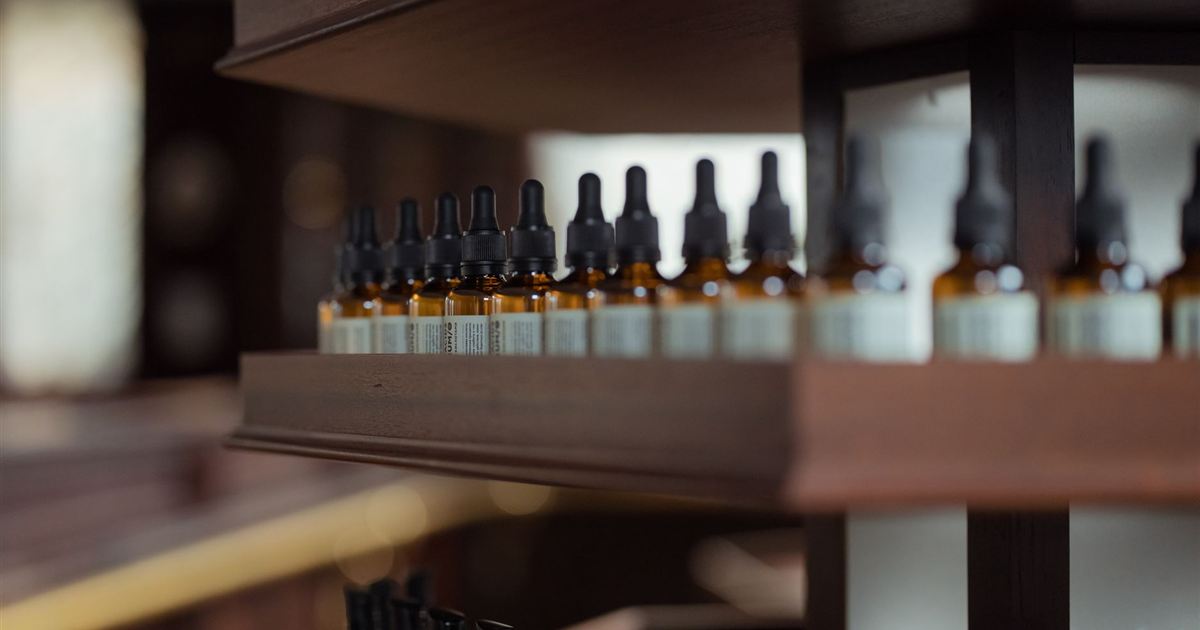
Two bottles sit on the same shelf. Same herb, same Latin name, same reputable brand. One is a tincture in alcohol and the other is a capsule of dried powder, and they do not deliver the same set of plant compounds to your body. Herbal virus remedies get shopped for by plant name, which is why so many people end up disappointed by something that was never going to work in the form they bought it. This post walks through how each preparation is actually made, what each one pulls out of the plant, and what the words on the label mean once you know how to read them.
Table of Contents
What Are Herbal Virus Remedies Made From?
Why Extraction Changes What You Get
Antiviral Tinctures and What Alcohol Pulls Out
Teas, Infusions and Decoctions
Capsules, Powders and Glycerites
What Standardization Means on a Label
Custom Formulas and Off-the-Shelf Antiviral Herbal Remedies
Alcohol, Safety and Who Should Ask First
FAQs About Herbal Virus Remedies
What Are Herbal Virus Remedies Made From?
Herbal virus remedies are made from plant material soaked in a carrier liquid that draws compounds out of the cells. That carrier is alcohol and water in a tincture, hot water in a tea, vegetable glycerin in a glycerite, or nothing at all in a capsule of ground herb. The carrier decides what comes along.
Herbalists call the liquid a menstruum and the spent plant matter a marc. Neither word appears on a retail box, and both describe something simple. You are soaking a plant, then straining it.
What varies is everything else. The plant part used, the ratio of herb to liquid, how long it sits, whether the liquid moves through the herb under gravity, and how much alcohol is in the mix.
Root, leaf and berry are not interchangeable. Echinacea root and echinacea aerial parts have different compound profiles, and a label that just says “echinacea” has told you very little about either.
Why Extraction Changes What You Get
Plants keep their compounds in different chemical neighborhoods. Some dissolve in water, some only in alcohol, and a few need both.
Polysaccharides are the long sugar chains studied for immune signaling, and they are water soluble. Water pulls them out well and strong alcohol pushes them back out of solution. Astragalus and many medicinal mushrooms fall in this group, which is why traditional preparation of both leans on long simmering rather than a dropper bottle.
Alkaloids, resins and aromatic oils behave the opposite way. They want alcohol, and a cup of tea leaves most of them sitting in the strainer.
Then there are tannins and flavonoids, comfortable in a mix of both.
So a single plant can produce two different medicines depending on the method. That is not marketing. It is solubility, and it is the reason experienced practitioners specify the preparation and not just the herb when they build a formula for someone.
This is where most herbal virus remedies go sideways for shoppers. You read that a plant has been studied for antiviral activity, you buy whichever format the store had in stock, and the format you bought may not carry the fraction the researchers were working with.
Antiviral Tinctures and What Alcohol Pulls Out
An antiviral tincture is a hydroalcoholic extract, meaning the liquid is a measured blend of ethanol and water. The percentage is a working decision, not a house style.
Lower alcohol strengths, roughly 25 to 40 percent, suit soft leaves and flowers and keep water soluble material in play. Higher strengths in the 60 to 90 percent range are used for resinous and aromatic plants like propolis, myrrh and some conifer material. A maker chooses the number based on what the plant is holding.
Ratios matter too. A tincture labeled 1 to 5 means one part dried herb by weight to five parts liquid by volume. A 1 to 2 fresh plant tincture is denser. A fluid extract at 1 to 1 is denser again, and a milliliter of one is not remotely equal to a milliliter of another.
Two methods dominate. Maceration means the herb sits in the menstruum for weeks and gets pressed. Percolation means the liquid drips slowly through packed, moistened herb in a cone, which produces a stronger extract faster and takes more skill to run.
Tinctures absorb quickly and keep for years. They taste sharp, and the good ones usually taste sharper.
Dropper size is the other thing nobody mentions. A dropperful is not a full pipette, and it is nowhere near a teaspoon. A bottle that lists doses in drops and a bottle that lists them in milliliters are asking two different things of you.
Teas, Infusions and Decoctions
Teas are not the weak option. They are the correct option for a whole category of plants, and for anyone who needs volume and hydration alongside the herb.
An infusion means pouring boiling water over the plant and steeping it covered. Covered matters, since aromatic compounds leave with the steam. Leaves, flowers and aromatic seeds get infused.
A decoction means simmering the material for 20 minutes or longer. Roots, bark and dried berries are dense enough to need it, so elderberry, astragalus and burdock are decocted rather than steeped.
Cold infusion is the third one, used for mucilage. Marshmallow root sitting in cool water overnight gives a slippery liquid that heat would degrade.
Preparation
Carrier
Pulls out well
Typical shelf life
Tincture
Alcohol and water
Alkaloids, resins, aromatic oils
3 to 5 years
Infusion or decoction
Hot water
Polysaccharides, minerals, tannins
Hours, made fresh
Glycerite
Glycerin and water
Tannins, some glycosides
1 to 2 years
Capsule
None, herb is whole
Depends on your digestion
6 to 24 months
The catch with tea is compliance. Three cups a day of something bitter is a real ask, and a preparation you skip is not doing anything for you. Plenty of herbal virus remedies fail on that alone.
Capsules, Powders and Glycerites
Capsules skip extraction entirely. You swallow ground plant, and your stomach acid and bile do the work an extraction would normally have done in advance, with results that vary by person and by how much you ate that day.
That is not a reason to dismiss them. Whole powdered herb keeps fiber and the full matrix intact, dosing is precise, travel is easy, and nobody has to taste anything. For herbs studied as foods rather than as concentrates, powder makes sense.
Surface area works against them over time, though. Finely ground plant oxidizes, and volatile oils fade from an opened bottle of powder faster than from a sealed tincture.
Glycerites use vegetable glycerin instead of ethanol. They taste sweet, they suit children and adults avoiding alcohol, and they extract tannins and some glycosides reasonably well. They are weaker on resins and alkaloids, and they do not keep as long.
Syrups belong here too. Elderberry syrup is a decoction reduced with honey or sugar, and the sugar is doing preservation work as much as flavor work. Syrup is the format most families reach for first, and it helps to know that a syrup is a water extract with a much shorter fridge life than the tincture beside it.
What Standardization Means on a Label
A standardized extract guarantees a set percentage of one measured compound. Milk thistle standardized to 80 percent silymarin means every batch was tested and adjusted to hit that number, so what you take in March matches what you took in November.
Consistency is the real benefit, and it is a genuine one. Growing conditions, harvest timing and drying all move a plant’s chemistry, and standardization takes that variation off the table.
The limit is that the marker compound is a proxy. It was chosen partly since it is easy to measure, and a plant that has been studied as a whole extract does not necessarily deliver its effect through the one molecule on the certificate. Concentrating that molecule can leave other constituents behind.
Full spectrum extracts take the opposite position and keep the profile as the plant grew it, accepting batch variation as the price.
Neither approach wins outright. What you want is a label honest enough to tell you which one you are holding. Beyond that, look for a Latin binomial, the plant part, the extraction ratio, the solvent, and a lot number. Third party testing for identity, heavy metals and adulterants is the last piece, and the better herbal virus remedies publish those certificates rather than referencing them.
Custom Formulas and Off-the-Shelf Antiviral Herbal Remedies
An off-the-shelf immune blend contains fixed amounts of five or six herbs in fixed proportions, designed for an average person who does not exist. It is a reasonable starting point and a blunt one.
A custom formula is compounded from single herb extracts, weighed into ratios chosen for one person after an intake. The herbs, the preparation type and the proportions all move. Something can be removed entirely, and a plant that interacts with a medication you take can simply be left out.
That last point does more work than people expect. Retail antiviral herbal remedies cannot know about your thyroid medication, your autoimmune history, your pregnancy or your liver enzymes, so they are formulated conservatively and broadly.
Custom compounding is what Custom Herbal Medicine at Ponderosa Natural Medicine covers, alongside functional lab testing and nutrition work that shows what a formula actually needs to address. Dr. Karrina Wallace, ND is a Registered Naturopathic Doctor in Colorado, regulated by the Department of Regulatory Agencies.
Fit beats potency. The strongest extract on the shelf is worth nothing if it is aimed at the wrong thing.
There is a practical difference in follow-up too. A compounded formula gets adjusted at the next visit based on what changed, so herbal virus remedies stop being a purchase and start being a plan you and a practitioner revise together.
Alcohol, Safety and Who Should Ask First
Herbal virus remedies are not automatically gentle, and preparation type is part of the safety question rather than separate from it.
A standard dropperful of tincture carries a small amount of ethanol, comparable to what is in a ripe banana or a serving of kombucha. For most adults that is a non issue. For anyone in recovery, taking disulfiram or metronidazole, pregnant, managing liver disease, or dosing a young child, it is worth swapping to a glycerite or a tea.
Concentration cuts both ways. A fluid extract delivers far more plant per milliliter than a folk tincture, so a dose that sounds identical is not.
Interactions are real for several well known immune herbs. Some affect drug metabolism, some are avoided alongside immunosuppressants, and some are not appropriate long term. The National Center for Complementary and Integrative Health maintains plain language herb monographs at nccih.nih.gov, and published human trials are searchable at PubMed.
This article is educational and is not a substitute for individual medical advice. Talk to a licensed practitioner before starting or stopping anything, particularly if you take prescription medication.
FAQs About Herbal Virus Remedies
Are herbal virus remedies stronger as a tincture or a tea?
Neither form is stronger across the board. Tinctures are stronger for plants whose studied compounds are alcohol soluble, such as resinous and aromatic herbs. Teas are stronger for water soluble constituents like the polysaccharides in astragalus and mushrooms. The right question is which compounds you want from that specific plant, and the answer changes plant by plant.
How fast does an antiviral tincture absorb compared to a capsule?
Liquid extracts absorb faster since the extraction has already happened outside your body. A tincture held briefly in the mouth and swallowed does not need to be broken down first. A capsule of powdered herb has to be opened by stomach acid and digestive enzymes before anything is available, which takes longer and varies with digestion and food.
Do herbal virus remedies expire?
Yes, and the timeline depends entirely on the preparation. Alcohol tinctures hold potency for roughly 3 to 5 years in dark glass away from heat. Glycerites run 1 to 2 years. Powdered herb in capsules fades within 6 to 24 months once opened, and brewed tea is a same day product. Aroma is a decent early warning, since a preparation that smells flat has usually lost volatile content.
Can I make an antiviral tincture at home?
Home preparation is possible, and this article deliberately gives no recipes or doses. Correct alcohol percentage, plant identification, moisture content, ratios and dosing all change the result and the risk profile, and a misidentified plant is a genuine hazard. If you want a preparation matched to your own history and medications, have a naturopathic doctor compound it rather than guessing at proportions.
Is a glycerite as effective as an alcohol tincture for children?
For some herbs it is close, and for others it is not. Glycerin extracts tannins and several glycosides acceptably, and it performs poorly on resins and alkaloids. For a child, a well made glycerite that gets taken willingly usually beats a stronger alcohol tincture that gets refused. Pediatric dosing should come from a practitioner rather than a bottle label written for adults.
What should be printed on the label of herbal virus remedies?
Look for the Latin binomial, the plant part used, whether the herb was fresh or dried, the extraction ratio, the solvent and its percentage, a lot number, and a third party testing statement. Missing extraction details are the most common gap on retail bottles, and without them you cannot compare two products or convert a dose between them.
Get My Custom Herbal Formula
Your formula should be built around your history, your medications and your goals, not around what happened to be on the shelf. Custom compounding starts with an intake and, where it helps, functional lab testing.
Dr. Karrina Wallace, ND sees patients at 4251 Kipling Street, Suite 160 in Wheat Ridge, and serves Denver, Aurora, Littleton, Lakewood, Arvada, Golden, Evergreen and the surrounding Denver Metro, with telehealth available statewide in Colorado.
Book my consultation and get herbal virus remedies compounded for your situation instead of an average one.
Ready to Better Understand Your Stress Response?
You do not have to keep pushing through fatigue, burnout, poor sleep, or stress-related symptoms without answers. If you are ready for a more thorough evaluation, Ponderosa Natural Medicine can help you take the next step.