The honest ranking is not the popular one, and the gap is mostly cell studies.
Search for the best antiviral herbs and you’ll find the same twenty plants, each one described as powerful. Almost none of those lists tell you where the evidence came from. That matters more than the order does, since a herb that stopped a virus in a petri dish and a herb that shortened a real illness in real people are making two very different claims. This post sorts the usual candidates by how much human research sits underneath them. Elderberry, echinacea, andrographis, garlic, licorice root and green tea all show up. A few earn the reputation. Several are running on lab results and good packaging.
Table of Contents
- What Are the Best Antiviral Herbs by Human Evidence?
- Antiviral Herbs in a Dish vs Antiviral Herbs in People
- Elderberry Has the Deepest Human Track Record
- Andrographis and Echinacea Hold the Middle Tier
- Best Herbs for Viral Infection of the Lips and Skin
- Garlic, Licorice Root and Green Tea Under the Microscope
- Is There a Single Best Antiviral Herb?
- What to Check on the Label Before You Buy
- Herbal Antiviral Safety and Drug Interactions
- FAQs About the Best Antiviral Herbs
- Get Custom Herbal Medicine Built for Your Case
What Are the Best Antiviral Herbs by Human Evidence?
<a id=”human-evidence”></a>
Elderberry, andrographis and echinacea carry the most human trial data for respiratory viral illness, and topical lemon balm has the clearest human evidence for cold sores. Garlic, licorice root and green tea sell well as antivirals, and most of what supports them was measured in cells rather than in people.
That order will irritate a few readers. Licorice root and green tea look spectacular in laboratory work, and their fans are not making things up.
They’re quoting the wrong kind of study.
Ranking the best antiviral herbs by human evidence changes what you’d reach for. The herb with the most impressive test tube result is rarely the one with a randomized trial behind it. Sort the shelf that way and several famous names drop, and a couple of unglamorous ones climb.
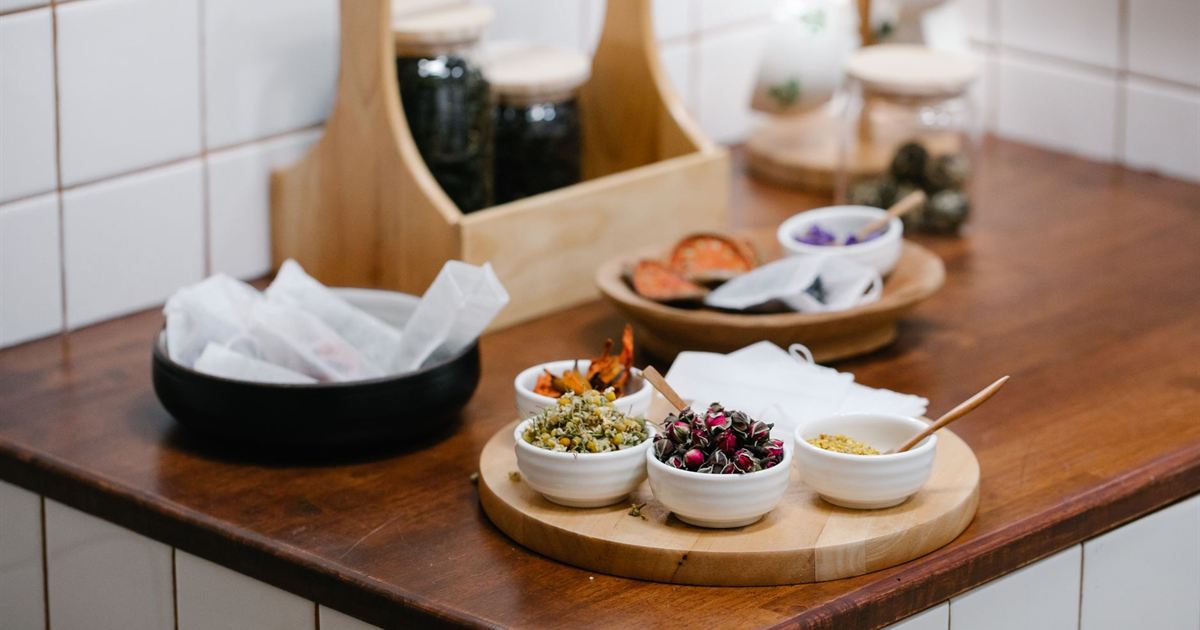
!Best antiviral herbs including elderberry, echinacea and andrographis laid out on a clinic counter
Antiviral Herbs in a Dish vs Antiviral Herbs in People
<a id=”dish-vs-people”></a>
A plant extract that kills a virus in a dish has not been shown to do anything in you. That single distinction explains most of the disagreement about the best antiviral herbs, and it’s the first thing worth understanding before you spend money.
Laboratory screening works by dropping a concentrated extract straight onto infected cells. The compound reaches the virus at a strength no swallowed capsule can match, with no stomach acid, no liver, and no bloodstream in the way. Plenty of ordinary substances look impressive under those conditions.
Human trials ask a harder question. Did people who took the herb get better sooner than people who took a placebo?
Far fewer plants have been put through that test. Fewer still have passed it more than once. If you want to understand where the antibacterial claims sit as well, we cover the difference between antibacterial and antiviral herbs separately.
Elderberry Has the Deepest Human Track Record
<a id=”elderberry”></a>
Black elderberry,
Sambucus nigra, is the one most families already keep in the cupboard by January. It tops nearly every roundup of the best antiviral herbs, and here it earns the spot. Several randomized, placebo-controlled trials have tested standardized elderberry extract in colds and influenza, and pooled analyses of upper respiratory symptoms have leaned in its favor over placebo.
The findings aren’t unanimous. At least one later randomized trial in patients with confirmed influenza found no meaningful shortening of illness, which is exactly the kind of result the marketing copy leaves out.
Timing looks like it matters. Trials that reported a benefit typically started dosing within about two days of the first symptoms, so an elderberry syrup opened on day five is being asked to do something no study has tested.
One safety point gets skipped often. Raw elderberries, along with the leaves and stems, contain compounds that release cyanide and need proper processing, so home preparations are not a casual project.
Andrographis and Echinacea Hold the Middle Tier
<a id=”middle-tier”></a>
Ever tasted andrographis? You’d remember it.
Andrographis paniculata is known as king of bitters, and it has a genuine base of randomized human trials in acute respiratory tract infection, usually standardized to a marker compound called andrographolide. Reviews of those trials have reported improvement in symptoms such as cough and sore throat. The reviewers have been equally clear that many of the individual studies were small or methodologically weak, which is a caveat the supplement aisle never repeats.
Echinacea is the most heavily studied herb on this list and the most frustrating. Systematic reviews keep landing in the same place, with a possible small effect on preventing colds and inconsistent results when it’s used as a treatment.
Product variability is a big part of that mess. Three different species get sold under one name, and preparations made from the root behave differently from preparations made from the flowering tops. Two bottles labeled echinacea can contain genuinely different medicine, which makes trial results hard to compare and makes your own result hard to predict.
Best Herbs for Viral Infection of the Lips and Skin
<a id=”lips-and-skin”></a>
Lemon balm has the cleanest human evidence of anything discussed here. Topical
Melissa officinalis cream has been tested in randomized trials for herpes labialis, the ordinary cold sore, with reported improvement in healing time and symptoms when it’s applied early.
It’s a narrow claim, and narrow is what makes it credible.
Notice what changed. The herb is applied directly to the affected skin, so the concentration problem that sinks so many oral extracts largely disappears. That’s a recurring pattern in herbal medicine, where the same plant can be well supported in one delivery form and unsupported in another.
Swallowing lemon balm capsules for a cold sore is a different intervention with a different evidence base, and that base is thin. When people ask about the best herbs for viral infection of the skin, the honest answer is that route of delivery matters as much as the plant does.
Garlic, Licorice Root and Green Tea Under the Microscope
<a id=”microscope”></a>
These three are not weak plants. They’re plants whose reputation was built in the wrong room.
Garlic produces allicin when a clove is crushed, and allicin shows broad activity against microbes in laboratory conditions. It’s unstable too, and it breaks down fast. Reviewers who went looking for quality human trials of garlic in the common cold found remarkably little to work with.
Licorice root is the clearest example of the gap. Glycyrrhizin, its main active compound, has striking in vitro activity against several viruses, and an injectable form has been used in Japan in chronic hepatitis care. Taken orally at meaningful doses over time it raises blood pressure, drops potassium, and causes fluid retention, which is why long courses need supervision. The deglycyrrhizinated licorice sold for digestive comfort has had that very compound removed.
Green tea catechins, especially EGCG, perform well against viruses in cell culture. Human work is mostly small prevention studies rather than treatment trials. Concentrated green tea extract has been linked to reports of liver injury, a risk the
National Center for Complementary and Integrative Health flags plainly. Drinking a few cups of tea is a very different exposure from swallowing a concentrate.
Is There a Single Best Antiviral Herb?
<a id=”single-best”></a>
Is there one winner? No, and anyone selling you one is guessing.
The best antiviral herb for a specific person depends on which virus is involved, how long symptoms have been running, what else they take, and what their liver and kidneys are handling. Elderberry studied in early influenza has nothing to say about a recurring skin outbreak. Topical lemon balm has nothing to offer a chest infection.
Chronic viral issues are a separate conversation again, since the herbs studied for a three-day cold were never tested against something that has been present for years.
That’s the argument for a tailored formula over a stack of single bottles bought on reputation. Custom Herbal Medicine at Ponderosa Natural Medicine is built around your history, your current prescriptions, and what you’re actually dealing with, rather than around whichever plant is trending.
What to Check on the Label Before You Buy
<a id=”label”></a>
Turn the bottle around and look for the Latin binomial.
Sambucus nigra and
Echinacea purpurea tell you what you’re holding, and the common name alone doesn’t.
Four things separate a product worth trying from a product worth skipping.
- Latin name and the plant part used, such as root or aerial parts
- A standardization marker or a stated extract ratio
- A form that matches what human trials used
- Third-party testing for identity and contaminants
The third one gets ignored most. If the research you’re relying on tested a standardized extract and you bought dried powder in a capsule, you haven’t bought the thing that was studied.
Form matters in the same way. Elderberry has been trialed as a standardized syrup and as a lozenge, and a gummy loaded with added sugar is not the same product wearing a different shape.
Cost is worth naming too. Well-made extracts of the best antiviral herbs are not cheap, and a bargain bottle usually means less plant material per dose. Patients can order verified products through our practitioner supplement ordering rather than sorting the marketplace alone.
Herbal Antiviral Safety and Drug Interactions
<a id=”safety”></a>
Natural doesn’t mean inert. Every plant discussed here has a real interaction profile, and a few of them matter a great deal. The best antiviral herbs are not the harmless category the packaging implies.
Licorice root is the one to watch closely, since it can push blood pressure up and potassium down, which becomes serious alongside diuretics, digoxin, or existing hypertension. Garlic in concentrated form affects platelet activity and deserves caution with anticoagulants or before surgery. Andrographis is avoided in pregnancy. Echinacea use in autoimmune conditions or alongside immunosuppressant medication is still debated and belongs in a conversation with your own clinician.
Pregnancy, breastfeeding, kidney disease, liver disease, and transplant medication all change the calculation entirely.
Two more things are worth saying plainly. Herbs studied for viral illness are not a replacement for vaccination or for antiviral prescriptions when those are indicated. A fever that keeps climbing, any breathing trouble, or symptoms running past about ten days needs assessment rather than another capsule.
Published human research on these plants is indexed on
PubMed if you’d like to read the primary sources yourself rather than trusting a summary.
This article is educational and is not a substitute for individual medical advice.
FAQs About the Best Antiviral Herbs
<a id=”faqs”></a>
What are the best antiviral herbs for a cold or the flu?
Elderberry has the strongest human trial record for early cold and influenza symptoms, followed by andrographis for acute respiratory infection. Echinacea sits behind both, with a possible small preventive effect and inconsistent treatment results. All three were studied when dosing began within the first day or two of symptoms, so starting late changes what you can reasonably expect.
How quickly do antiviral herbs work?
Trials that reported benefit measured differences in days, not hours. Elderberry studies compared how long symptoms lasted overall rather than how fast someone felt better after a single dose. If a product promises relief within hours, that promise isn’t coming from the research. Herbs used for early viral illness are usually dosed several times daily across the whole illness.
Can I take the best antiviral herbs with prescription medication?
Not without checking first. Licorice root interacts with blood pressure medication, diuretics, and digoxin. Concentrated garlic affects clotting and matters before surgery. Echinacea raises questions alongside immunosuppressants. A naturopathic doctor reviews your full medication list before recommending anything, which is the part a supplement label can never do for you.
Is elderberry the best antiviral herb for everyone?
No. Elderberry has the most human data for early respiratory viral illness, and that’s a narrow use. It hasn’t been shown to help cold sores, shingles, or long-standing viral conditions. People with autoimmune disease or those on immune-modulating medication should get individual guidance before using it regularly.
Do these herbs prevent illness or only shorten it?
Most of the human research tested treatment rather than prevention. Echinacea is the main exception, with reviews suggesting a possible small reduction in how often people catch colds. Prevention studies are harder to run and far less common, so claims that the best antiviral herbs will keep you well all winter are running ahead of the evidence.
Get Custom Herbal Medicine Built for Your Case
<a id=”cta”></a>
Picking from a list of the best antiviral herbs is guesswork without someone reviewing your history, your medications, and what’s actually going on. That review is the work.
Dr. Karrina Wallace, ND is a Registered Naturopathic Doctor in Colorado, regulated by the Department of Regulatory Agencies. She practices in Wheat Ridge and sees patients from Denver, Arvada, Lakewood, Golden, Littleton and the surrounding metro, with telehealth available statewide.
Book My Appointment and get a herbal plan built for your case instead of the trending bottle.